
When we talk about domestic abuse, we often focus, rightly, on safety, justice and protection. I’ve been talking a lot on the radio recently about the Home Office’s latest Violence Against Women and Girls (VAWG) reforms, and they are certainly a welcome step forward.
Stronger privacy rules around counselling notes and the rollout of specialist rape units really do matter. And we know that legal protections like Raneem’s Law and expanded protection orders save lives.
But from the perspective of a domestic abuse survivor, I also know these measures are only part of the picture. You can have all the legal protection in the world, but if you don’t have the financial means to leave, to put a roof over your children’s heads, or to rebuild your life, those protections don’t always give you the freedom you actually need.
The reality of financial abuse
In my experience, you rarely get domestic abuse without financial abuse. Money can be used to control. Money can be used to isolate. And money can be used to frighten people.
Many women stay, or return, because they simply don’t see a way out financially. Their partner may have always controlled the household money, leaving them feeling clueless when it comes to paying bills or even understanding the true cost of living.
They have children to feed, rent to pay, and no access to money of their own. Some don’t know what financial support they’re entitled to as single parents. Others have never managed money independently and don’t know where to start.
This can feel like a personal failure. In reality, it’s the result of years of control and survival.
Why financial independence matters
This is why I believe financial independence must be a core part of the VAWG reform agenda. Teaching women how to become financially free is paramount if we want them to truly break the cycle of abuse. Before I left my own abusive relationship, I started my accountancy training. I didn’t know it at the time, but it was my escape route.
After I left, I went on to qualify as a chartered accountant and set up my own business, Pink Pig Financials. That journey changed my life, and it showed me what’s possible.
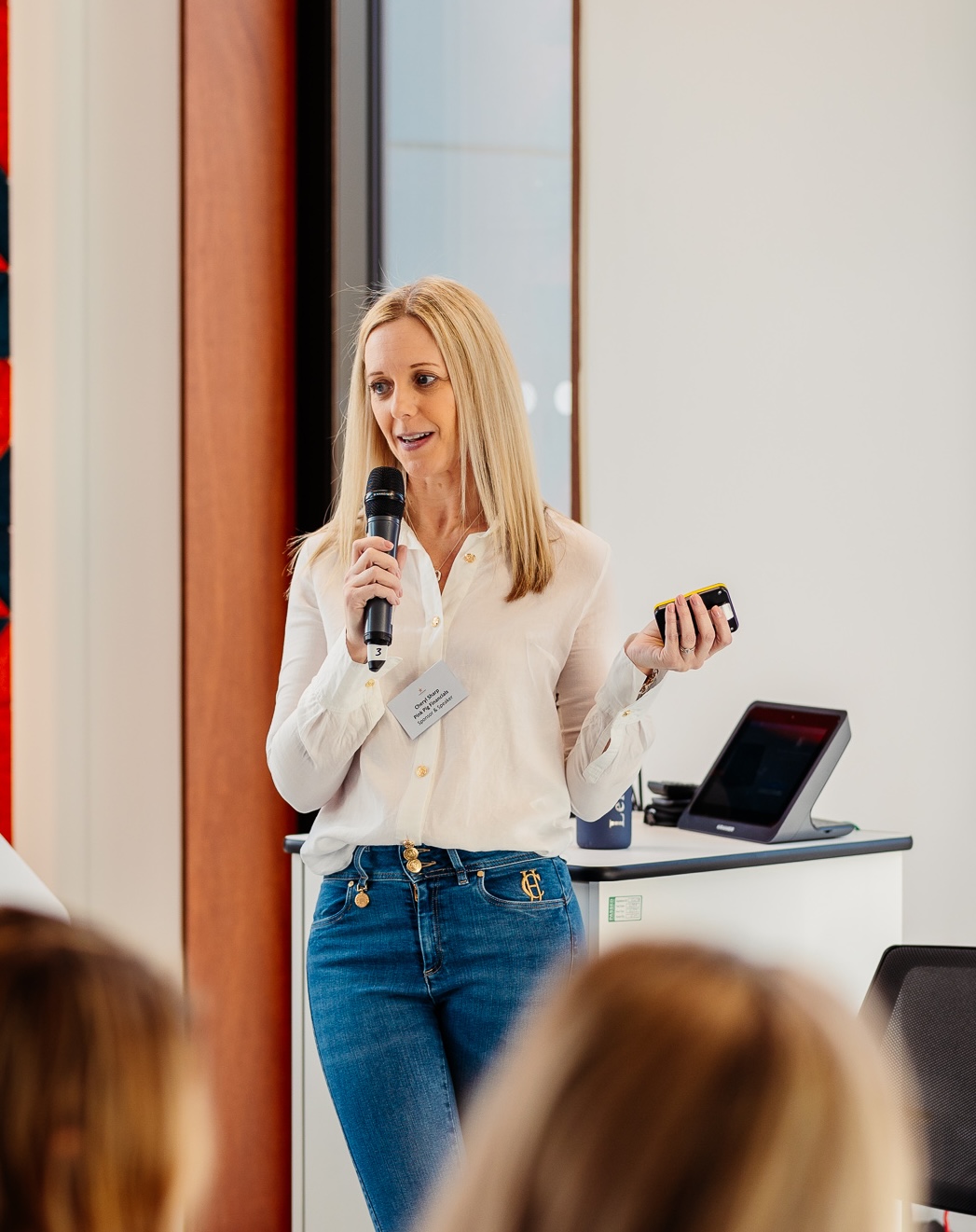
Today, I work with women in refuges and those rebuilding after abuse. I see firsthand how powerful it is when a woman learns how to budget, understands her options, and starts to believe she can stand on her own two feet. Confidence grows. Choices expand. And the future stops feeling quite so frightening.
Justice must include economic justice
The current national strategy recognises the importance of justice, and that matters deeply. But justice must also mean economic justice. A woman needs to be able to access protection orders, legal advice and safe housing, and she needs the financial stability to make those options viable.
This is why I’m keen for policymakers, including Jess Phillips MP, to understand that financial education and access to practical support must sit alongside legal reform. We need joined-up thinking that reflects real life, not just what works on paper.
Rebuilding after abuse
Healing after abuse is never straightforward. Building a new life takes time, energy and courage. It means thinking about where you’ll live, how you’ll earn, whether your children are coping, and how to steady yourself emotionally.
It can feel overwhelming, especially in the beginning, but it is possible.
I’ve been there. I risked everything I knew to start again. It wasn’t easy, but the risk paid off.
I now run two businesses, have rebuilt my life, and created stability for my family, and, importantly, I’m helping other women do the same. If you’d told me back then that this was possible, I’m not sure I’d have believed you. But it was.
Looking forward
If we want the VAWG reforms to truly change lives, we must ensure women are not just protected in a courtroom, but empowered to rebuild beyond it.
Financial freedom means safety. It shouldn’t be seen as separate. And when women are given the tools to take control of their lives again, anything really is possible.
Thanks again to BBC Essex, Heart East and Greatest Hit Radio for allowing me to have a voice in order to try and make changes for women.