
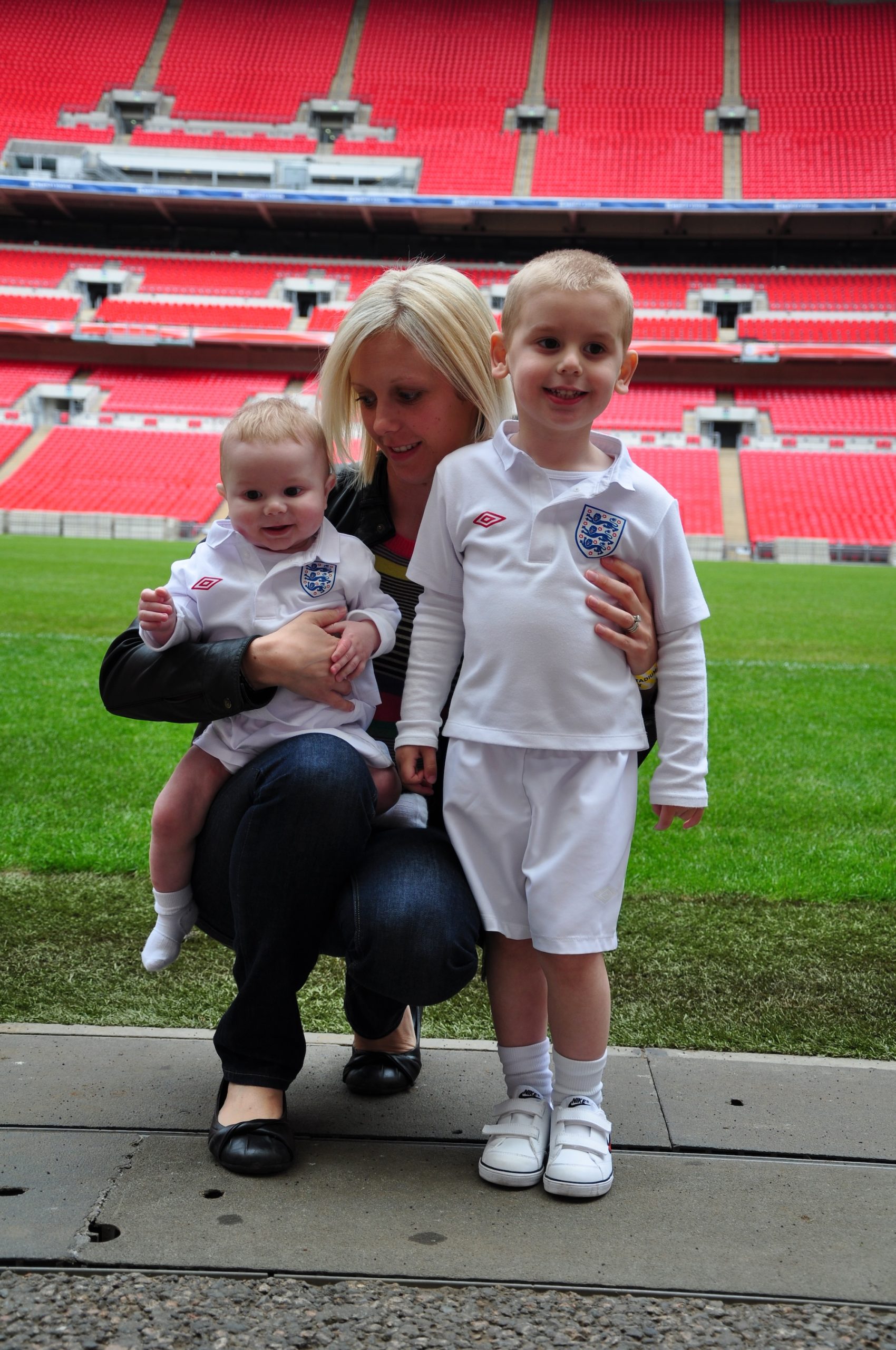
Every four years, the World Cup becomes a global spectacle, bringing the nation together in united support for the three lions. For many it’s a time to get together and enjoy the games with friends and family. Even if you’re not usually a football fan, it’s difficult not to get swept up in the hysteria of it all.
That is of course unless the World Cup signals a heightened period of domestic abuse. Which for many, it does. A time when the highs and lows of the competition cause increased toxicity in the home, often fuelled by alcohol and bravado.
Research shows that reported incidents of domestic abuse tend to increase around World Cup matches, whether the team wins, loses or draws. Studies show that in the UK, incidents of abuse rose by around 26% on days when England played and either won or drew, and by around 38% when England lost a match compared with non-match days. In some cases, abuse remained above average on the day after games as well. And these are just the cases that were reported. The reality is that the statistics are likely to be much higher than this.
Domestic abuse is rooted in patterns of power and control, not sporting outcomes. But major tournaments can create environments where existing abusive behaviour escalates.
There are several reasons for this. Big games often become social events that are focused on drinking heavily. This is strongly linked to increase violence at home. The intensity of the games can cause heightened levels of stress and a rollercoaster of emotions. Moods can go from extreme joy to frustration and disappointment in the space of a 90-minute game. If someone’s behaviour is already volatile, this can exacerbate this.
Watching the games in a group session can intensify controlling behaviour. Peer pressure and banter can fuel that further and bring on aggressive behaviour. With the tournament happening abroad, late night matches can mean irregular sleep patterns and disturbance to routines which can increase erratic behaviour.
If this all sounds familiar to your current situation and the upcoming competition is leaving you feeling frightened, there are things you can do. There are organisations that can help you feel safe and supported. Reach out to Women’s Aid or Refuge, or call the National Domestic Abuse Helpline on 0808 2000 247 for confidential help and advice. They can provide guidance on safety planning and emotional support. IIf you, or anyone you know, is in immediate danger, please contact 999, and press 55 if you can’t speak.
During the competition, think about the practical steps you can take if abuse escalates.
Is there a room in the home that you feel safe in? Consider having a bag packed hidden somewhere with essentials if you need to get out quickly. Talk to someone you trust who can help support you. Let them know what’s happening. This can often be the hardest step, but once you take it you won’t feel so alone.
The World Cup highs and lows are never an excuse for domestic violence. The spikes in abuse seen around high profile tournaments are often a reflection of deeper issues such as alcohol misuse, frustration and entitlement. But those factors are never an excuse for hurting someone.
If you’re struggling right now, reaching out for support is a brave and powerful step. But you can do it. You deserve safety, respect and care without living in fear. Help is available without judgement and you will be taken seriously.